Trying to understand how filmmakers create powerful emotion and meaning in a single shot can feel overwhelming. With so many visual choices on screen, it is easy to miss the techniques that shape your viewing experience. You might wonder how directors use composition, framing, and other visual tools to tell stories without saying a word.
This list gives you clear, practical insights into the secrets behind cinema’s most memorable images. You will learn how each aspect—from shot composition to sound and editing—guides your focus and reveals the deeper layers in every scene. Get ready to discover the visual techniques that make film so captivating and to take your appreciation of cinematic storytelling to a new level as you learn cinema vocabulary.
Table of Contents
- What Is a Shot? Understanding Visual Composition
- Frame and Framing: Setting the Scene
- Mise-en-Scène: Bringing Film Worlds to Life
- Diegesis: Exploring Story Worlds
- Editing: Crafting the Flow of a Film
- Soundscape: Enhancing the Cinematic Experience
- Montage: Building Meaning Through Images
Quick Summary
| Takeaway | Explanation |
|---|---|
| 1. Master shot composition | Effective shot composition engages audiences by revealing character and advancing narrative through careful visual arrangement. |
| 2. Understand framing techniques | Different types of framing control audience perception and focus, shaping emotional depth and character interactions. |
| 3. Analyse mise-en-scène elements | Mise-en-scène includes set design and props, which are crucial for establishing narrative context and character depth. |
| 4. Explore diegesis in storytelling | Understanding diegesis enhances appreciation of narrative constructs and the world characters inhabit beyond the screen. |
| 5. Recognise editing techniques | Editing techniques manipulate time and emotional resonance, essential for controlling the film’s pacing and narrative flow. |
1. What Is a Shot? Understanding Visual Composition
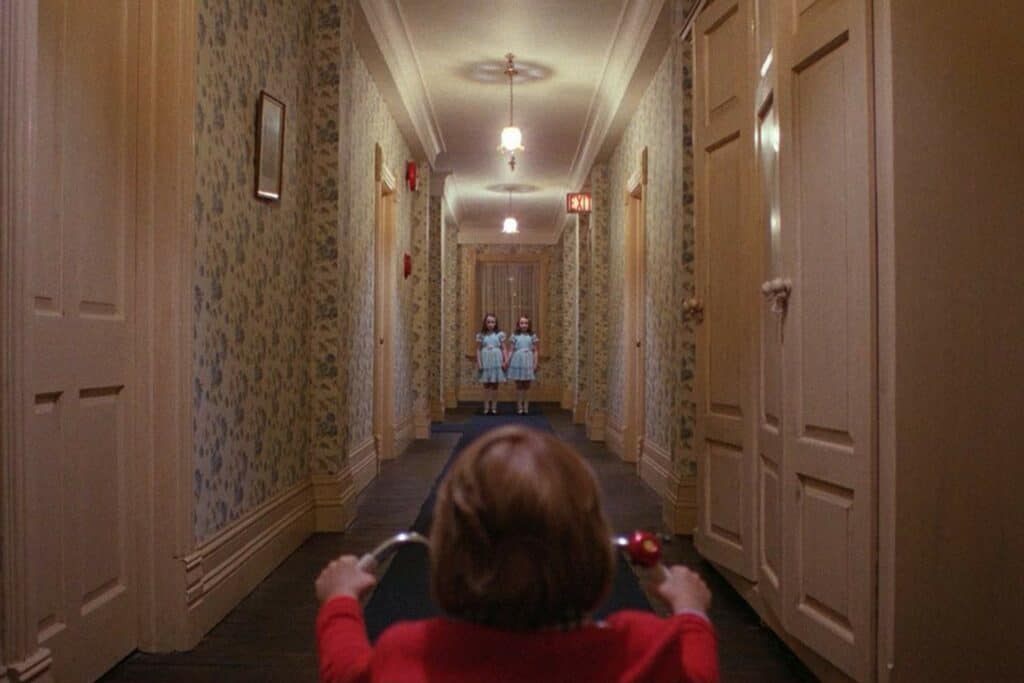
In the world of cinema, a shot is far more than a simple captured image. It is the fundamental building block of visual storytelling, in which filmmakers meticulously arrange every visual element within a camera frame to communicate meaning.
Shot composition is an intricate art form that goes beyond mere placement of objects. Effective shot composition keeps audiences engaged by revealing character, advancing narrative, and evoking powerful emotional responses.
Key elements of shot composition include:
- Symmetry to create balance
- Rule of thirds for dynamic framing
- Leading lines to guide viewer focus
- Spatial relationships between visual elements
A well-composed shot can tell an entire story without a single spoken word.
Professional filmmakers consider multiple factors when constructing a shot:
- Camera angle
- Object positioning
- Background context
- Use of negative and positive space
Mastering shot composition allows storytellers to manipulate viewer perception subtly. By understanding how different framing techniques influence emotional response, you can transform a simple image into a profound narrative moment.
Pro tip: Practice analysing film shots by pausing your favourite movies and examining their visual composition to understand how directors communicate complex emotions through framing.
2. Frame and Framing: Setting the Scene
Framing is the cinematic language that determines what viewers see and how they perceive a story. It is the deliberate arrangement of visual elements within the camera’s viewfinder that transforms a simple image into a powerful narrative tool.Framing techniques in cinematography shape audience understanding by controlling which elements are included or excluded from a shot. Filmmakers use framing to communicate complex emotions and relationships without a single word.
Types of framing include:
- Wide shots to establish context
- Close-ups to reveal emotional intensity
- Medium shots to show character interactions
- Over-the-shoulder shots to create intimacy
- Point-of-view shots to align viewer perspective
Every frame is a carefully constructed window into the story’s emotional landscape.
Understanding framing helps you decode the subtle visual language of film. Each frame is strategically composed to:
- Direct audience attention
- Reveal character psychology
- Create emotional depth
- Communicate narrative subtext
By analysing how directors use framing, you can unlock deeper layers of storytelling and appreciate the intricate visual craft behind compelling cinema.
Pro tip: Practice analysing film scenes by pausing and examining how different framing techniques reveal character emotions and narrative tension.
3. Mise-en-Scène: Bringing Film Worlds to Life
Mise-en-scène is the intricate visual language that transforms a film from a mere recording into a rich, immersive storytelling experience. This French term literally means “placing on stage” and represents the carefully choreographed visual elements that breathe life into cinematic narratives.Mise-en-scène analysis reveals how filmmakers craft entire worlds through meticulous visual composition. It encompasses everything audiences see on screen from the most minute detail to the broadest environmental context.
Key components of mise-en-scène include:
- Set design creating narrative environment
- Costume choices revealing character psychology
- Lighting establishing emotional tone
- Actor positioning communicating relationships
- Props providing symbolic meaning
Every visual element speaks a language more profound than dialogue.
Mastering mise-en-scène requires understanding how visual components work together:
- Establish narrative context
- Develop character depth
- Communicate thematic subtexts
- Guide audience emotional response
By analysing mise-en-scène, you transform from a passive viewer into an active interpreter of cinematic language.
Pro tip: Practice analysing film scenes by pausing and examining how each visual element contributes to the overall storytelling narrative.
4. Diegesis: Exploring Story Worlds
Diegesis represents the intricate narrative universe that exists within a film where characters live and breathe. It is the complete world of a story including everything characters can perceive and experience beyond what audiences directly witness on screen.Diegesis analysis reveals the complex layers of storytelling that extend beyond simple visual representation. This concept helps viewers understand how filmmakers construct immersive narrative environments.
Key components of diegesis include:
- Diegetic sounds originating within the story world
- Non-diegetic elements like musical scores
- Character perspectives and experiences
- Implied narrative spaces not directly shown
- Contextual background of the story environment
Every sound and silence tells a story beyond what meets the eye.
Understanding diegesis allows audiences to:
- Recognise narrative construction techniques
- Appreciate subtle storytelling nuances
- Interpret deeper narrative meanings
- Analyse filmmakers’ storytelling strategies
By exploring diegesis, you transform from a passive viewer into an active narrative interpreter who sees beyond surface-level storytelling.
Pro tip: Practice analysing film scenes by identifying which sounds and elements originate from within the story world versus those added externally.
5. Editing: Crafting the Flow of a Film
Editing is the invisible art form that transforms raw footage into a compelling narrative journey. It is the precise manipulation of visual and audio elements that breathes life into cinematic storytelling.Film editing techniques enable filmmakers to construct meaning beyond the literal content of individual shots. Through strategic selection and arrangement, editors create emotional landscapes that transcend simple visual recording.
Key editing techniques include:
- Jump cuts disrupting temporal continuity
- Cross-cutting showing simultaneous actions
- Match cuts creating symbolic connections
- Montage condensing narrative time
- Sound bridging linking disparate scenes
Every cut is a deliberate choice that shapes audience perception.
Professional editing accomplishes multiple narrative goals:
- Control storytelling pace
- Reveal character psychology
- Create emotional resonance
- Compress or expand narrative time
By understanding editing principles, you transform from a passive viewer into an active interpreter of cinematic language.
Pro tip: Practice analysing film sequences by pausing and examining how each edit contributes to the overall narrative and emotional trajectory.
6. Soundscape: Enhancing the Cinematic Experience
Soundscape is the intricate auditory landscape that transforms visual storytelling into an immersive sensory experience. It represents the carefully orchestrated acoustic environment that breathes emotional depth into cinematic narratives.Soundscape design in cinema goes far beyond simple background noise. It is a sophisticated artistic practice that shapes audience perception through meticulously crafted audio elements.
Key components of a cinematic soundscape include:
- Diegetic sounds within the narrative world
- Non-diegetic musical scores
- Ambient environmental noise
- Character dialogue layers
- Sound effect subtleties
Silence can be as powerful as sound in telling a story.
Professional soundscape design achieves multiple narrative objectives:
- Create emotional resonance
- Establish narrative atmosphere
- Guide audience psychological response
- Enhance storytelling complexity
By understanding soundscape principles, you transform from a passive listener into an active audio interpreter of cinematic language.
Pro tip: Practice critically listening to film soundscapes by closing your eyes and focusing solely on the audio environment to understand how sound shapes narrative experience.
7. Montage: Building Meaning Through Images
Montage is the artful technique of assembling film images to create meaning beyond individual shots. It transforms disconnected visual fragments into a powerful narrative language that communicates complex ideas through strategic image juxtaposition.Montage techniques in film represent a revolutionary approach to storytelling developed by pioneering Soviet filmmakers. This method goes far beyond simple editing to create intellectual and emotional associations through carefully selected visual sequences.
Key montage principles include:
- Intellectual montage creating conceptual connections
- Emotional montage triggering psychological responses
- Rhythmic montage establishing narrative tempo
- Overtonal montage layering sensory experiences
- Tonal montage conveying mood and atmosphere
Every cut is a thought. Every juxtaposition tells a story.
Montage allows filmmakers to:
- Compress narrative time
- Reveal complex psychological states
- Generate symbolic meanings
- Challenge traditional storytelling structures
By understanding montage principles, you transform from a passive viewer into an active interpreter of cinematic language.
Pro tip: Practice analysing film sequences by examining how individual shots create meaning when placed in strategic sequence.
Below is a comprehensive table summarising the key cinematic concepts and techniques discussed throughout the article for enhanced understanding of film artistry.
Master Cinema Vocabulary and Unlock Deeper Film Understanding
Grasping key cinema terms like shot composition, mise-en-scène, and diegesis can feel overwhelming, but these concepts are essential for any film student or enthusiast aiming to truly connect with cinematic storytelling. The challenge often lies in moving beyond memorisation to applying these terms to analysis and appreciation.
Take your passion further by exploring insightful film reviews and interviews that bring these concepts to life at Disapproving Swede. Discover how professional filmmakers manipulate framing and editing to evoke emotions and uncover storytelling layers. Start your journey today by visiting our homepage and deepen your cinema vocabulary with engaging content designed just for you.
Frequently Asked Questions
What is the definition of a shot in cinema?
A shot in cinema is the basic unit of visual storytelling, representing a specific image captured within the camera frame. To understand this concept, analyse various films and identify how different shots contribute to the story.
How does framing impact audience perception in filmmaking?
Framing affects how viewers interpret a scene by determining what elements are included or excluded from the shot. To grasp this, observe different framing techniques in films and consider how they shape character relationships and emotional responses.
What are the key components of mise-en-scène?
Mise-en-scène involves all visual elements seen on screen, including set design, costumes, lighting, and actor positioning. Examine scenes from your favourite films and break down how these elements work together to enhance storytelling.
How can I analyse diegesis to understand a film better?
Diegesis refers to the world of the story, including all elements that characters perceive. To analyse diegesis, pay attention to the sounds, environments, and characters’ interactions beyond what is visually presented.
What editing techniques should I look for in film analysis?
Editing techniques include jump cuts, cross-cutting, match cuts, and montage that shape the narrative flow and emotional impact. Watch a film and take notes on how these techniques alter pace and meaning throughout the story.
How does soundscape contribute to the overall cinematic experience?
Soundscape enriches visual storytelling through diegetic sounds and musical scores, enhancing emotional depth. To appreciate this, listen closely to the audio in films and consider how it influences your perception of the narrative.