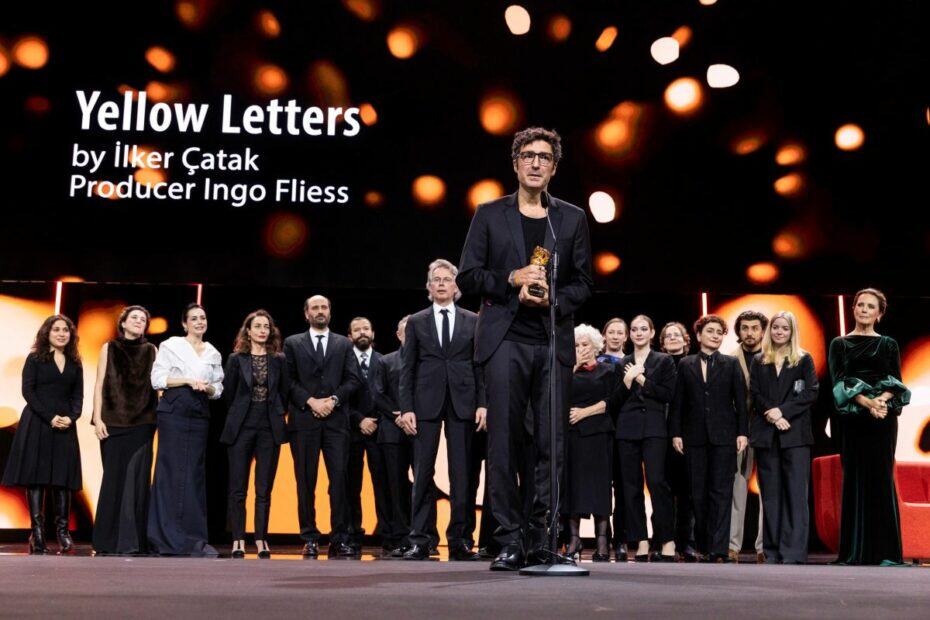
The 2026 Berlinale Awards were presented on February 21. It was the 76th edition of the festival and the second under the reign of Tricia Tuttle. The jury president, Wim Wenders, and his largely non-European jury members had a thankless task, since the selection of the competition was even worse than last year’s, which I, in advance, would have deemed impossible.
2026 Berlinale Awards Overview
The Golden Bear went to Yellow Letters (Gelbe Briefe) by Ilker Çatak. This early screened title was a surprising choice, not only for me. The story is set in Turkey, where a cultural power couple’s posh life is suddenly overturned by political reasons. The film didn’t seem to be anyone’s favourite.
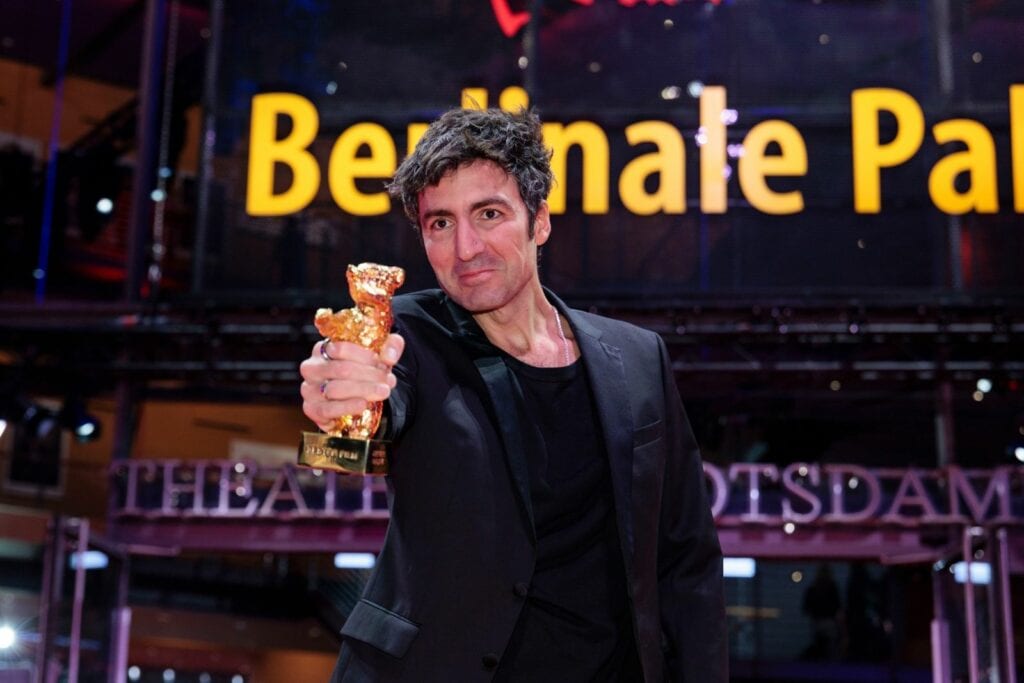
Silver Bear Grand Jury Prize
The Silver Bear Grand Jury Prize went to Salvation (Kurtuluş), by Turkish director Emin Alper. The film takes place in the Turkish Alps and revolves around clan-based power struggles. The Silver Bear Jury Prize went to Queen at Sea by Lance Hammer. The same film won the Silver Bear for Best Supporting Performance, shared by Tom Courtenay and Anna Calder-Marshall.
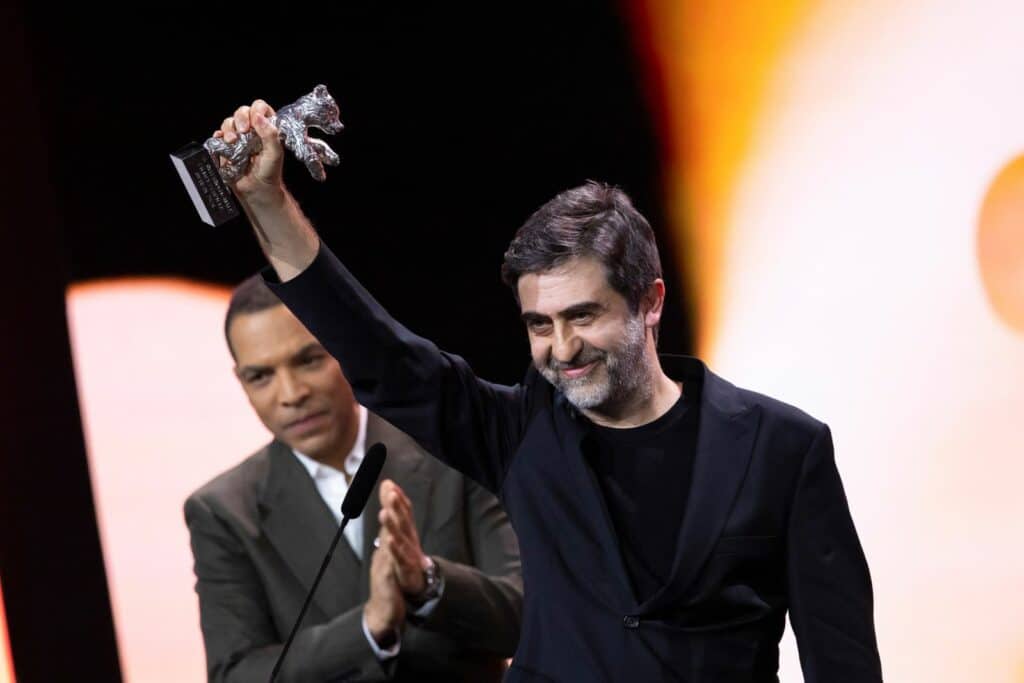
The least surprising award was the Silver Bear for Best Leading Performance. Sandra Hüller’s role as a man in Markus Schleinzer’s highly academic Rose was universally applauded. I managed to keep my hands apart. An even weirder decision was the Silver Bear for Best Screenplay, which was given to Geneviève Dulude-de Celles for her passable film Nina Roza. Finally, the Silver Bear for Outstanding Artistic Contribution went to Yo (Love is a Rebellious Bird) by Anna Fitch.
The use of the word outstanding is particularly ironic, considering the lacklustre quality of most films presented in the competition. There were no obvious snubs like last year with Reflection in a Dead Diamond. Considering the Berlin context, it was somewhat surprising that Angela Schanelec didn’t win anything for her fairly well-received My Wife Cries (Meine Frau weint). On the other hand, there were several inexplicable selections, such as the generic attempt at body horror, Nightborn, and the Tunisian In a Whisper (À voix baisse), which was littered with clichés.
The Berlinale outside the competition
A welcome award was found in the Perspectives section, where the second prize went to Forest High Forêt Ivre by Manon Coubia. The former Berlinale president Carlo Chatrian was present at the press screening. It should have won the major prize, which was instead given out for purely political reasons.
People I talked to last year claimed that the programmers didn’t spend enough time making the selections. Judging from the outcome this year, it doesn’t look like they increased their efforts. When Tricia Tuttle presented the selection at a press conference in January, she said that those who won’t find something to like in this year’s selection don’t love cinema. At the time, I didn’t know whether to be annoyed or merely laugh. Strangely, the same kind of huffing and puffing continued during the festival, not least from Jessica Kiang. She repeatedly stated how proud she was of this year’s films to the point where you merely felt sorry for someone who appeared to be trying to convince herself.
The weak selection was not limited to the two major competition strands. Equally disappointing were the Retrospective and the so-called Berlinale Classics. Both sections gave the impression of selectors who are scared of screening anything other than genre films. This tendency has been ongoing for a long time. The phenomenon is not limited to the Berlinale, but it’s more pronounced there. The same goes for politics, which was dialled up to 11 already last year but seemed to reach a boiling point during this edition. In this case, the culprits are not the festival organisers, but a handful of press people whose sole purpose seems to be to ask pointless political questions.
Ironically, Tricia Tuttle’s position is now being discussed at the ministerial level in Germany. The reason is not that the editions under her realm have been the weakest in over a decade, but for the aforementioned political reasons. It remains to be seen which changes will take place. The former Minister of Culture’s wish to see more stars on the red carpet does not seem to have come true.