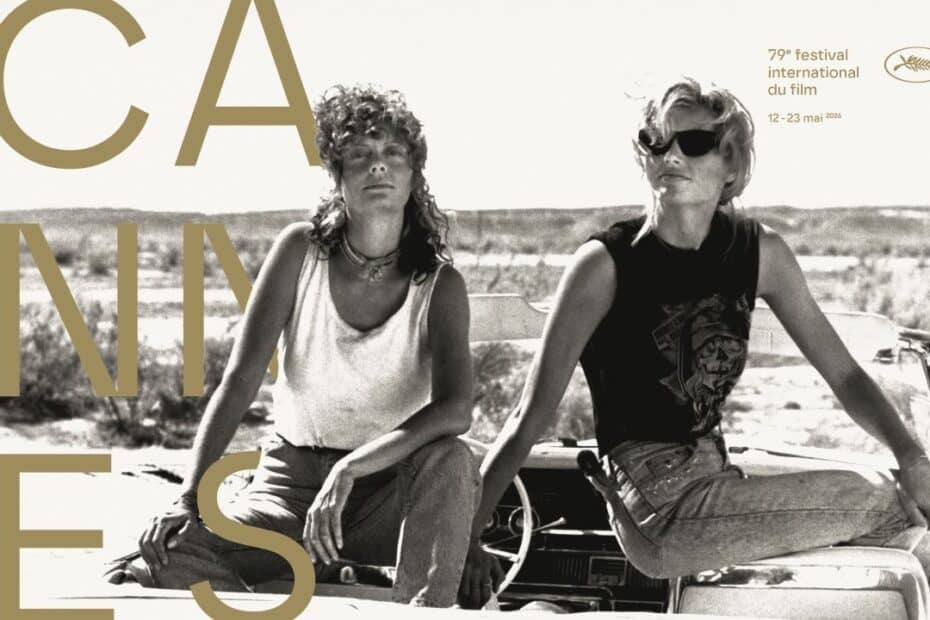
The 2026 Cannes Awards were handed out tonight, with a palmarès that was both generous and wrong in roughly equal measure. The Park Chan-wook jury spread its goodwill across the competition with the liberality of an institution determined to offend nobody, splitting both acting categories and the directing prize, awarding a Jury Prize to the one film that unambiguously deserved more, and reserving its highest honour for a filmmaker whose reputation did rather more of the voting than the film itself.
The Palme d’Or went to Cristian Mungiu’s Fjord, with Sebastian Stan and Renate Reinsve as a mixed Romanian-Norwegian couple whose relocation to a fjord village ends in the community turning against them. Mungiu thereby becomes the tenth director to win the Palme twice, a distinction he now shares with Coppola, the Dardennes, Haneke, Loach, and Östlund. The company is distinguished. Whether Fjord is, is another matter, and the reports of no firm favourite emerging from a competition of uneven quality suggest a jury that, confronted with genuine difficulty, reached for the safest eminent hand available.
The Grand Prix went to Andreï Zvyagintsev’s Minotaur. Zvyagintsev used his acceptance speech to call on Putin to end the war, a statement of the obvious that will read well in the press release and change nothing. The award itself is possibly even less deserving than the Palme d’Or.The kind of prize juries give when they want to be seen doing something important rather than responding to something great.
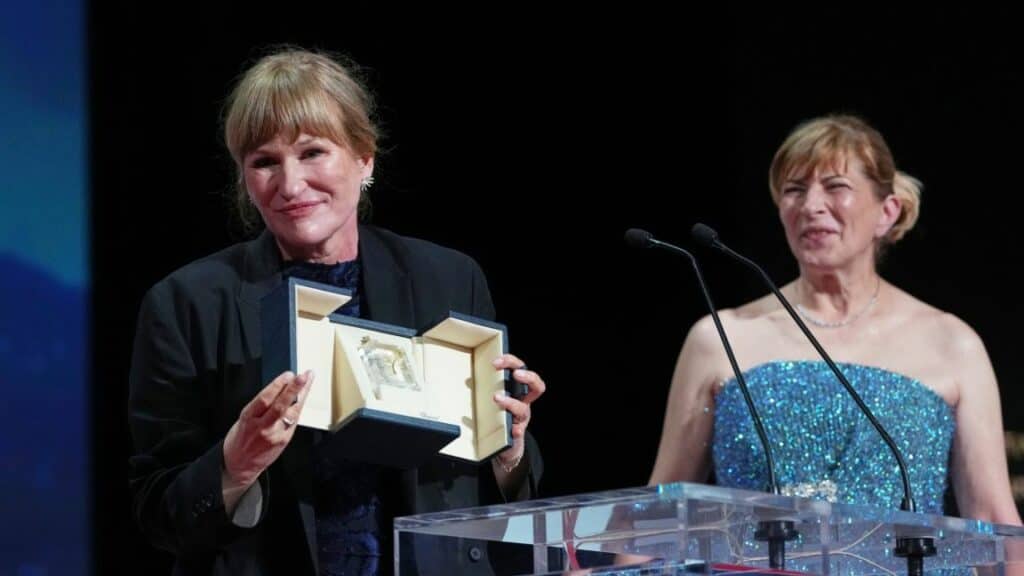
The 2026 Cannes Awards’ best decision
The festival’s clearest piece of good sense was the Jury Prize to Valeska Grisebach’s The Dreamed Adventure (Das Geträumte Abenteuer). Grisebach works slowly, precisely, and with no interest in making herself easy to champion, which perhaps explains why the jury’s highest ambitions stopped here. That they stopped here at all is still something. This was one of the few times when the Cannes Film Festival delivered a truly positive surprise.
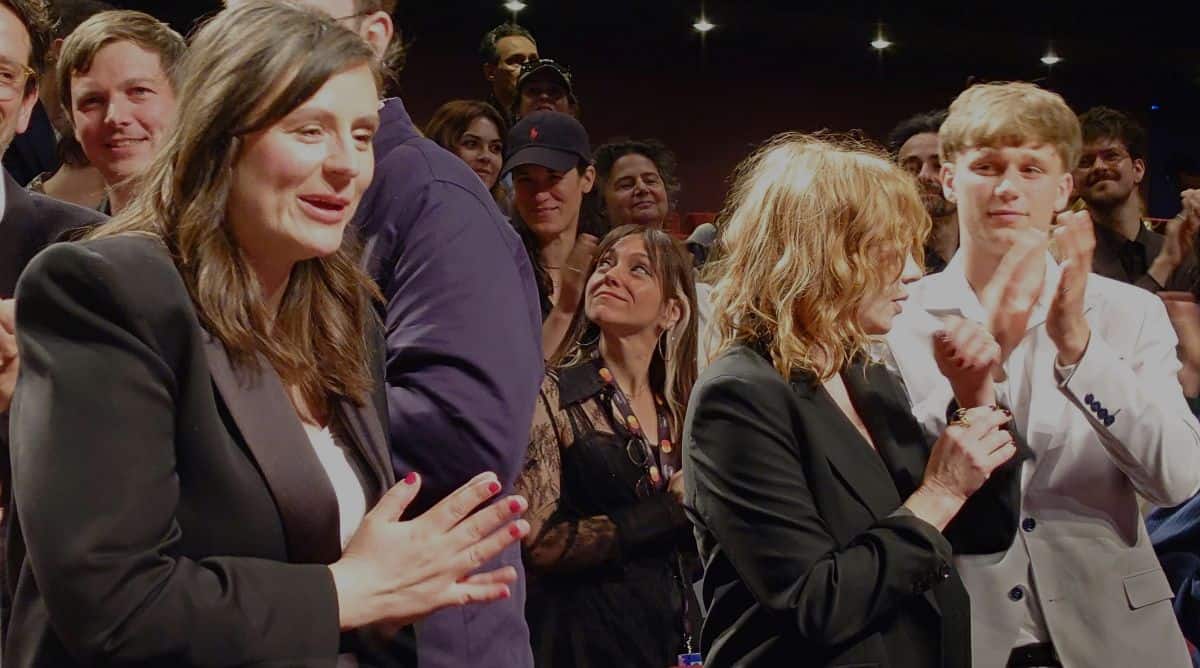
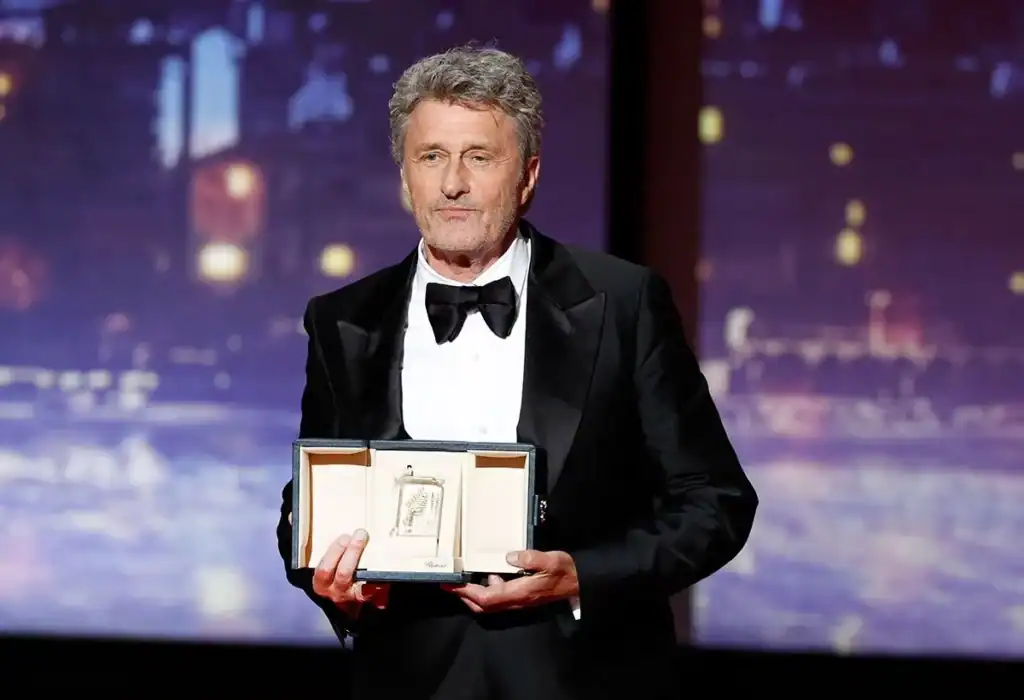
The Best Director prize was split between Paweł Pawlikowski’s Fatherland and the Spanish duo Javier Calvo and Javier Ambrossi for La Bola Negra. Fatherland has drawn sustained awards conversation around Sandra Hüller, and the film was one of the few standouts in the section. That it shares the directing prize with La Bola Negra is a small insult dressed as a compliment. Calvo and Ambrossi’s film drew the longest standing ovation of the festival, an audience response that reliably correlates with nothing in particular. La Bola Negra is nothing but a simplistic crowd-pleaser, and splitting the award rather than honouring Pawlikowski alone manages to diminish one film without doing anything useful for the other.
The acting prizes were shared in both categories. Virginie Efira and Tao Okamoto split Best Actress for Ryusuke Hamaguchi’s All of a Sudden, and both performances are worth the recognition. Emmanuel Macchia and Valentin Campagne shared Best Actor for Lukas Dhont’s Coward, a First World War drama. That Dhont continues to receive serious festival attention is one of the minor embarrassments of contemporary European cinema. His films do not explore feeling; they engineer it, with the blunt efficiency of someone who has learned that an audience (and jury) can be moved without being convinced.
Best Screenplay went to Emmanuel Marre for Notre Salut, his film set in early-occupied France and concerned with questions of resistance and collaboration. Readers familiar with my assessment of that film will draw their own conclusions about the jury’s criteria for screenwriting.
In Un Certain Regard, the prize that matters went to the right film. Sandra Wollner’s Everytime took the top prize and was easily the best film of the entire festival. A full review and an interview with the director will follow. The section’s second award went to Elephants in the Fog, and it was not a terrible choice. A review and a director interview will soon come to these pages for that film as well.
The Caméra d’Or for best debut feature went to Marie-Clémentine Dusabejambo’s Ben’Imana, and the Short Film Palme to Federico Luis’s For the Opponents. The Honorary Palme d’Or was awarded to Barbra Streisand, who delivered her thanks via video.