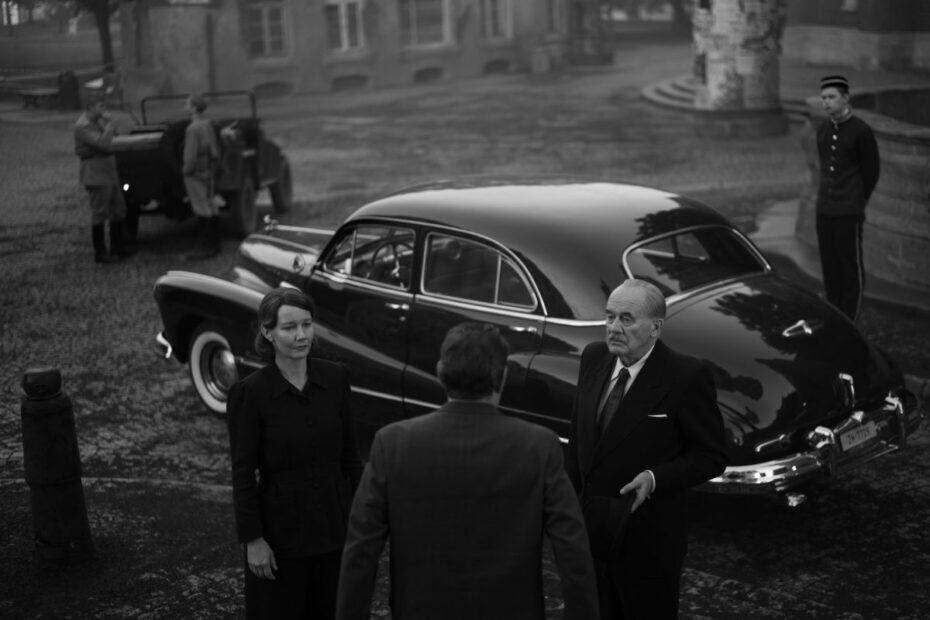
The final chapter of Pawlikowski’s postwar trilogy is so much better than its predecessors that it almost retroactively justifies them. ★★★★☆
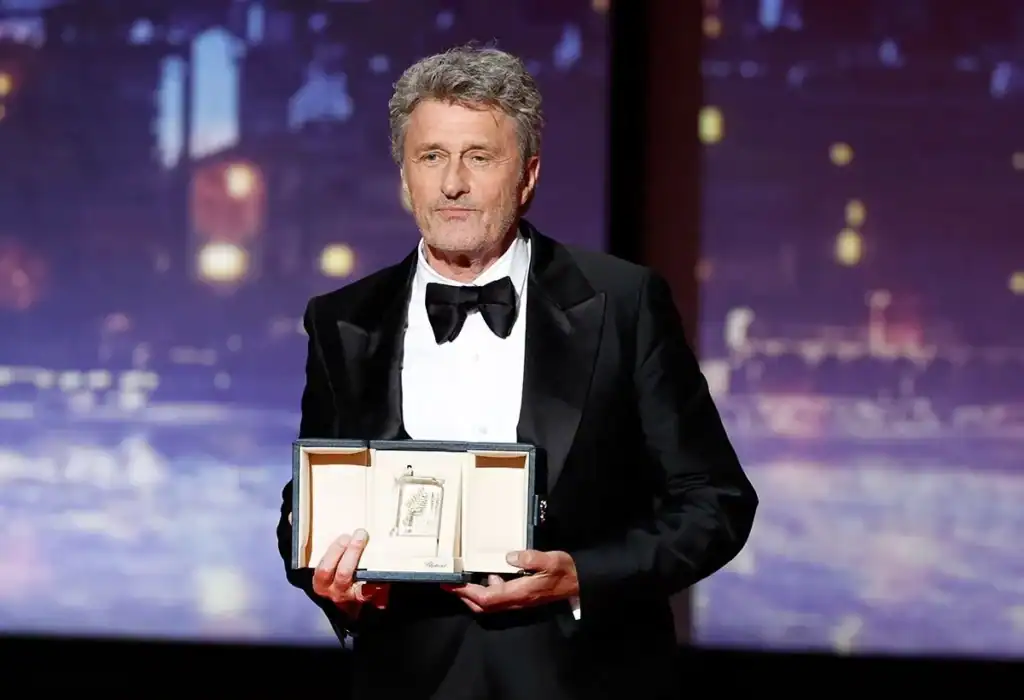
Paweł Pawlikowski’s Fatherland arrived at the Cannes Competition as the closing chapter of an unofficial trilogy (following Ida and Cold War) and left with the Best Director prize, shared with another film in a competition year when the jury split several awards, including both acting prizes. On the evidence of the film itself, the jury got at least half of it right. In a competition bloated with films that seemed to conflate length with ambition, Fatherland makes its case in 82 minutes and has the discipline to stop there. Other directors at this year’s festival would have done well to take notes.
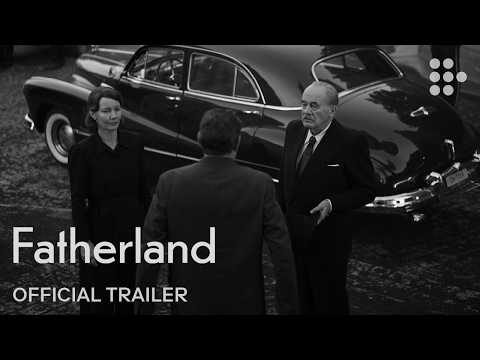
The film follows Thomas Mann (Hanns Zischler) and his daughter Erika (Sandra Hüller) on a road trip through Germany in 1949, from US-occupied Frankfurt to Soviet-controlled Weimar: a journey that is part reunion, part reckoning, and part farewell to a country that has destroyed itself and is now being carved up by others. Pawlikowski, who co-wrote the screenplay with Hendrik Handloegten, resists the temptation to reduce this to a simplistic thesis. The political geography is present, the weight of recent history is everywhere, but the film stays close to its two characters and trusts the landscape to do the rest.
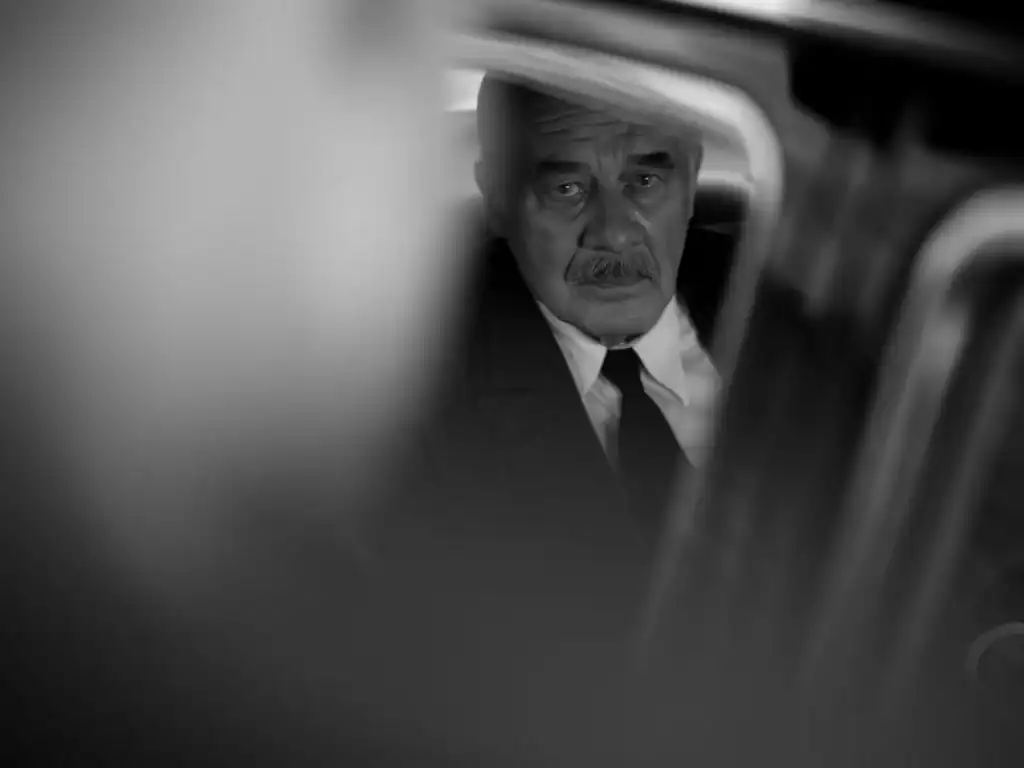
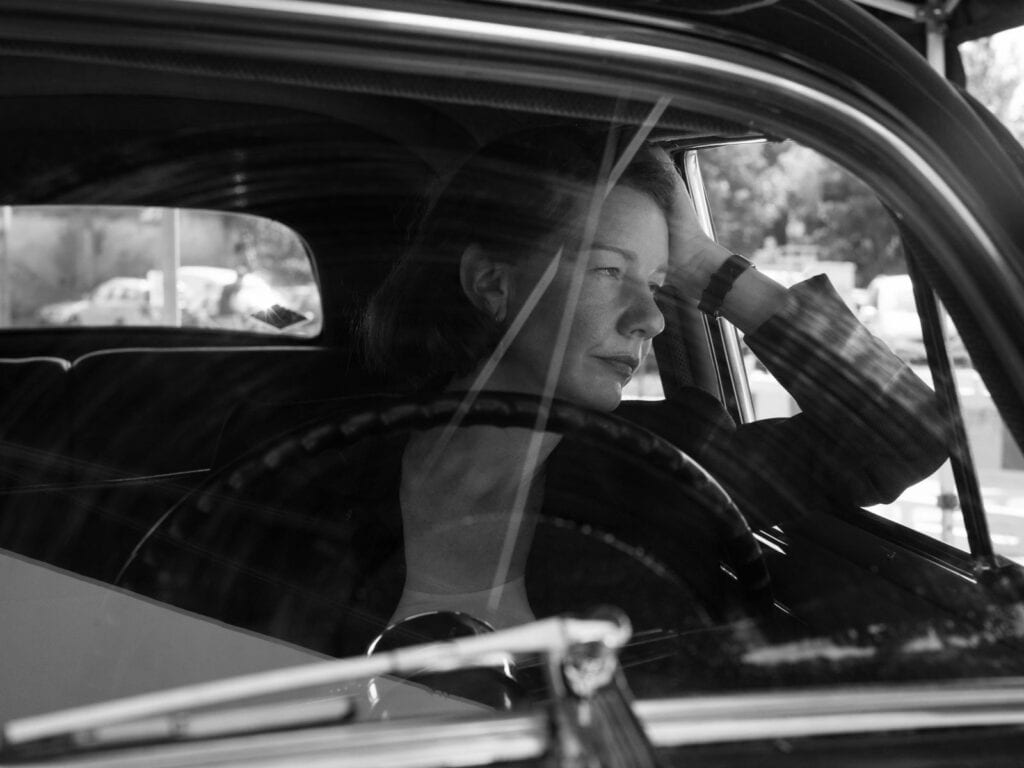
Zischler is quietly commanding as Mann: elderly, somewhat remote, a man who has spent so long being a symbol that he has half forgotten how to be a person. Hüller’s performance is a major surprise. One typically associates her with a certain kinetic presence that verges on grating (Anatomy of a Fall, Rose). Still, here she reins that in entirely, giving Erika a restless intelligence expressed through glances and silences rather than confrontation. It is a more interior performance than expected, and it is all the more effective for it. Their affectionate, slightly combative dynamic, complicated by things left unsaid, is one of the film’s real subjects, and Pawlikowski is wise enough to let it breathe without over-explaining it.
For anyone who found Ida and Cold War too pleased with their own formal mannerisms, it is surprising how non-academic Fatherland feels by comparison. Łukasz Żal’s black-and-white cinematography is riveting here, less composed for the frame grab, more alive to the textures of a ruined country, crumbling facades, empty roads, and the particular quality of postwar European light. The images have atmosphere rather than just austerity. Where Ida sometimes felt like a film about its own visual prominence, Fatherland feels like a film about Germany, and about fathers and daughters, and about what it means to go home when home no longer exists.
Where is the Fatherland?
During the press conference for the dreaded The Zone of Interest, Żal jokingly said that he felt like a “multi-camera system supervisor. There are no such issues here, and it is the cinematographer’s most impressive work so far. The cinematic references that surface feel earned rather than decorative. There is something of Jean-Marie Straub in the film’s rigorous attention to space: The Chronicle of Anna Magdalena Bach (1968) came to mind more than once, that same quality of letting physical surroundings carry a weight that dialogue alone never quite states.
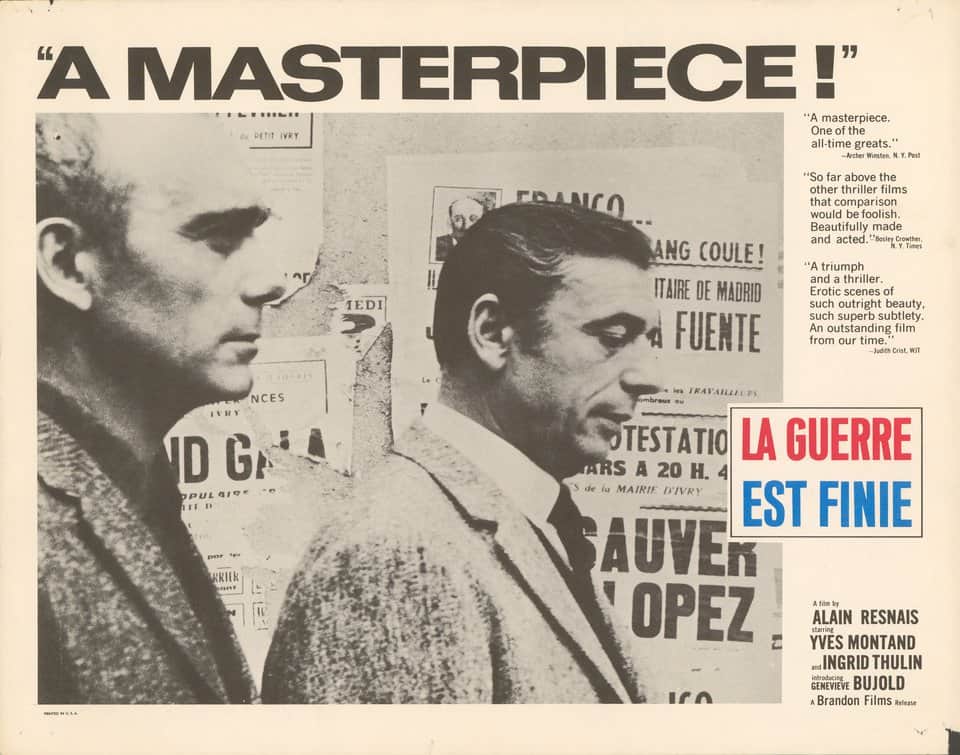
In one particular scene, the ghost of Alain Resnais flickers through unmistakably, an image of memory and erasure that those familiar with Resnais’s work will recognise immediately, and that should work just as well for those who don’t. The brevity is not incidental. Pawlikowski, at his best, is a director who understands that restraint is a form of respect: for the audience and for the material. At 82 minutes, Fatherland doesn’t outstay its welcome or strain for significance it hasn’t earned. It arrives, it does what it needs to do, and ends perfectly. In a competition year which will be remembered not merely for weak films but also for bloated runtimes, that is no small achievement.
For someone whose default posture towards festival cinema has increasingly been sceptical, it is a genuine pleasure to report that Fatherland gave me nothing to disapprove of. It is precise, moving, beautifully made. It is easily among the three best films in the competition, and that it had to share the Best Director award with a vastly inferior work doesn’t negate the fact that this is the kind of film that reminds you why the Cannes Competition, at its best, still matters.