It’s that time of the year again when I list films from last year that should be avoided. If you’re new here, you might find it useful to read about how films are selected for review on this site., no matter what. 2025 was an unusual year at the Disapproving headquarters because the number of American films watched was much higher than in previous years. I, more or less, regretted watching them all, since they were basically one overrated film after another. There were several candidates for “The 10 films with the highest Disapproval rating 2025”, so I will, as customary, begin with some dishonourable mentions that didn’t make the final list.

Bong Joon-Ho’s Mickey 17 proved once again that Bong should only make films in Korean. The team preferred to discuss the atmosphere on set rather than the film itself. The Norwegian film No Comment by Peter Naess was a feeble attempt at political satire that reminded me of Bertrand Tavernier’s last film Quai d’Orsay. Radu Jude’s Dracula tried to make fun of AI tools, but it felt like watching several ChatGPT answers, one after another. Benny Safdie’s The Smashing Machine, about the MMA fighter Mark Kerr, was inconceivably lacklustre, but not annoying enough to make the list. The less said about A House of Dynamite, the better.
There were also three major disappointments this year from directors who are usually reliable. Bi Gan’s Resurrection, Silent Friend by Ildikó Enyedi, and worst of all, Lynne Ramsay’s Die My Love! The latter still featured a memorable performance by Jennifer Lawrence. Even though none of those films was what they could or should have been, they are far too accomplished to be included on the Disapproval list. So which films are included, you ask impatiently. The answer will hopefully not surprise you.
10. Drømmer
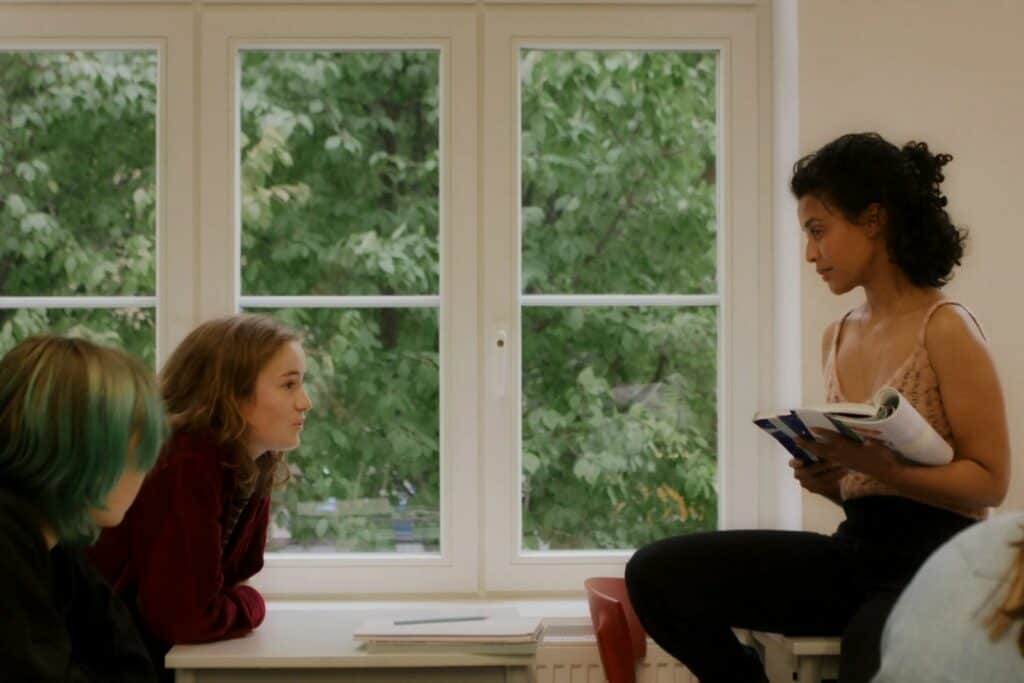
For anyone not into Norwegian cinema, the last two years have been a veritable mareritt. Dag Johan Haugerud is one of the main culprits since he subjected the audience to a trilogy (Sex, Dreams, Love). The first part was presented at the Berlinale, and the third at Venice 2024. The plan was to screen Dreams in Cannes, but it was rejected. Instead, it was picked up for the Berlinale competition in 2025, where it surprisingly won the Golden Bear. The story about the student, Johanne, who has an intense crush on her French teacher, Johanna, is no better than Love was. The film is devoid of cinematic qualities (apparently, a norm in Norwegian cinema), and the dialogue is trite.
There seems to be a pattern that films rejected at Cannes are sprinkled with gold at other festivals, which brings us to…
9. Father Mother Sister Brother

After being rejected in Cannes, Jim Jarmusch’s latest film instead competed at Venice, where it won the Golden Lion. Even Jarmusch’s fans were surprised. I saw the film recently, and the film was shallow and hollow beyond belief. We are treated to yet another triptych, 36 years after Mystery Train. The film is so empty that it hardly exists. None of the three episodes has any depth, and they are not remotely entertaining either. Even though the 2025 Venice line-up was not impressive, it would still have been easy to find something better than this for the top award. One wonders if these awards are merely a gesture of resilience against Cannes.
8. Sentimental Value

Joachim Trier’s latest effort won the Grand Prix at Cannes and has been immensely popular since then. I described why I didn’t like it in my review. Since the film is basically a syrupy Hollywood film, it has been tipped to win Oscars. I outlined how I think this film was produced in a Pitch Meeting.
7. Alpha

After Julia Ducournau won one of the worst Palme d’Ors in living memory with Titane, I’ve been wondering what would make people doubt her abilities. With the Cannes screening of Alpha, it seemed that it finally happened. The reviews were mostly negative, and the press screening audience was quiet afterwards. There have been some dissenting voices in the UK, but most people seemed bored by Alpha. I described why I did not like it in my review.
6. Bugonia
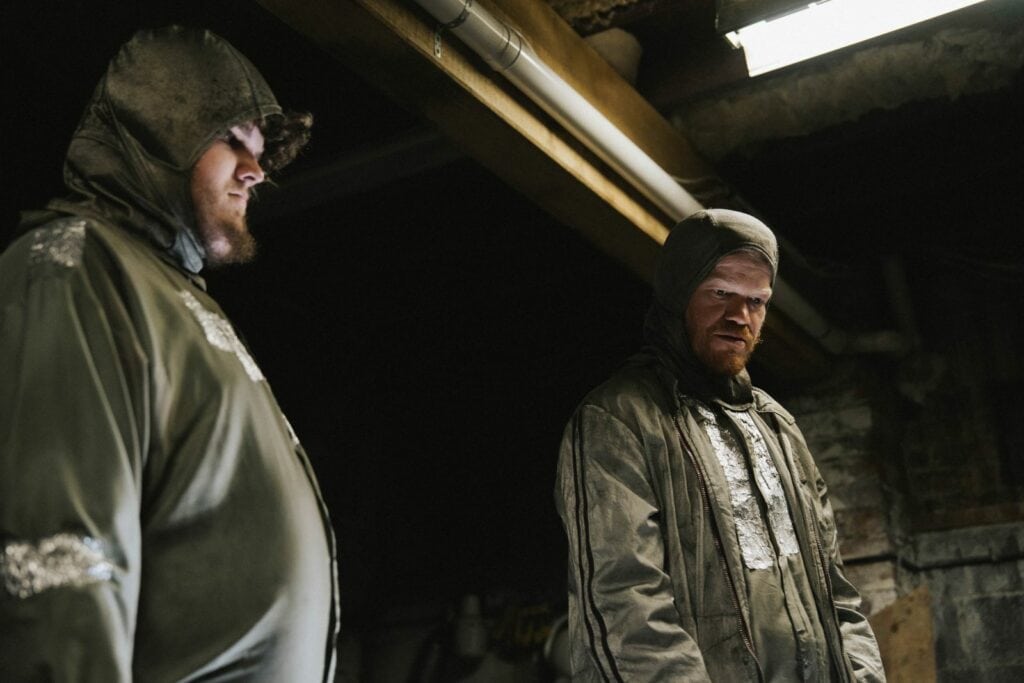
As I wrote in last year’s Disapproval list, the absence of Yorgos Lanthimos then was not an act of kindness, but rather a result of my not bothering to watch it. I figured I was done with the Greek director for good. Then he unexpectedly remakes the brilliant Korean film Save the Green Planet. My curiosity took the better of me, and I went to an early screening in Venice. It didn’t take long to understand that it was another disaster. Where do I explain this? Possibly in my review?
5. The Ice Tower
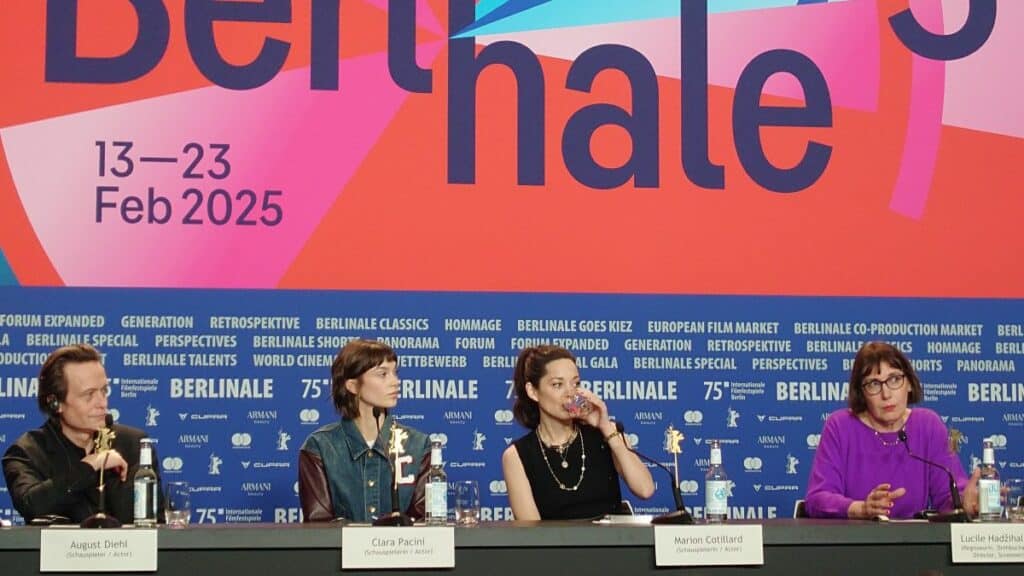
Lucile Hadžihalilović’s fourth feature didn’t really surprise. It was more of the vague mood-building that has characterised the director’s earlier films. In The Ice Tower, she reunited with Marion Cotillard, but that didn’t help much. Maybe the glacial pacing is supposed to cohere with the title, but probably not. For some reason, I bothered to review the film.
4. Weapons

Weapons is not the kind of film I typically watch, but there was a lot of hype around it, so I decided to give it a chance. The story about a school class where every child except one mysteriously vanish one night sounded slightly promising. The promise quickly evaporated into a dry patch of nonsensical logic. Some parents blame the teacher, and one of them even sprays the word “witch” on her car. For some reason, we see the car with the word repeatedly during the first third of the film. It is a strange choice of words. An angry father would rather write b*tch.
Since there was very little going on in the first half, that’s what I was thinking about, and the explanation I came up with turned out to be correct. The plot follows the same events from different standpoints, making the film overlong for no reason. The drab cinematography doesn’t exactly elevate the clumsy writing, and the actors have to fight with what they have. I struggled to stay seated for 128 minutes, and upon leaving, I could only observe that it was a waste of time.
3. Eddington
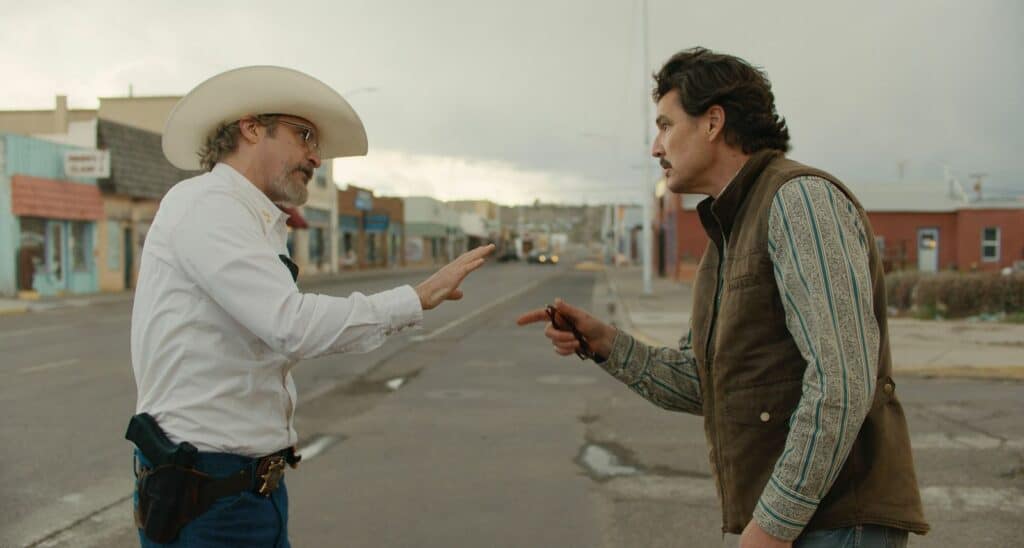
Ari Aster’s career is one of modern cinema’s biggest mysteries. After the mega-flop, Beau is Afraid (2023), I nurtured some hope that it would take a long time before he could make another film—no such luck. Eddington is set during COVID times, and I explained why it doesn’t work in my Cannes review. It was the first time that Ari Aster premiered one of his films at a major festival. Hopefully, it’s also the last time he does that.
2. After the Hunt

Before the screening of Luca Guadagnino’s After the Hunt at the Venice Film Festival (outside the competition), there were numerous warnings to the press about the embargo period. That is a clear sign that the festival board is well aware that it has a bad film on its hands. It deals with a topic worthy of satire, but it has no idea where to go with it. The script is contrived with inconsistency dialled up to 11. I reviewed this hot mess as well.
1. Hot Milk

Hot Milk is in many ways the most staggering surprise on the list. Firstly, it is difficult to understand how this poorly written script was greenlit, but it is also startling that it ended up in a festival competition slot. Reportedly, Rebecca Lenkiewicz’s film has been ready for years and was submitted to several festivals, including the one where it ended up. The story of a mother with a strange illness who travels to Spain with her daughter, searching for a cure, is so inept that one is tempted to regard it as parodic. The final scene, which is supposed to be a dramatic highlight, feels like it’s thrown in from another movie. Hot Milk is reviewed here.
Inexplicably, one of the critics who defended Alpha also defended Hot Milk. For some reason, he didn’t like The Smashing Machine. Maybe he wasn’t in Mark Kerr-mode.
For those keeping count, there are three films each from Cannes, Venice, and the Berlinale, respectively. Weapons was not part of the festival circuit.