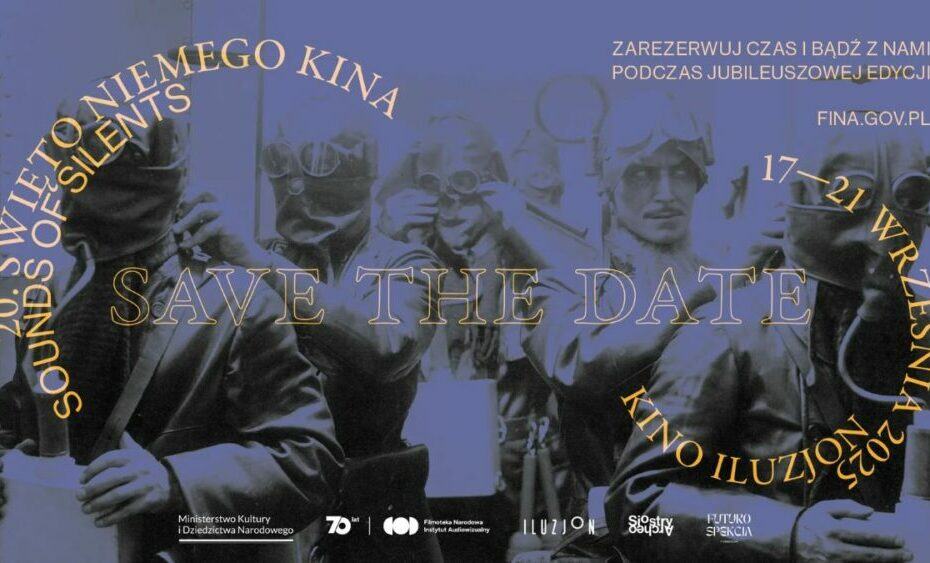
Recently, the 20th edition of the Sounds of Silents Film Festival (previously known as Warsaw Silent Film Days) was held in Warsaw. It is a festival of silent films accompanied, not only by a range of excellent musicians, but also by illuminating lectures. During five days, Kino Iluzjon mixed classics and lesser-known films. After a first night when a copy of Metropolis (1927) was screened with a soundtrack, the remaining offerings were presented with live music. The organisers are the Siostry Archeo collective, which was formed in 2022, partly in memory of their colleague, Anna Sienkiewicz-Rogowska.
The official opening gala was a screening of Algol: Tragedy of Power (Algol – Tragödie der Macht 1920), directed by Hans Werckmeister. Starring Emil Jannings, the film features a sci-fi theme in which aliens from the planet Algol arrive on Earth to deliver a machine that generates clean energy. This would mean that coal miner Robert Heiner (Jannings) would no longer have to toil in the mine. However, things do not go according to plan due to human fallacy. The film is a fascinating, early example of the theme with aliens coming to Earth in an attempt to do good. The score by T’ien Lai suited the film well.
Sounds of Silents remain in space
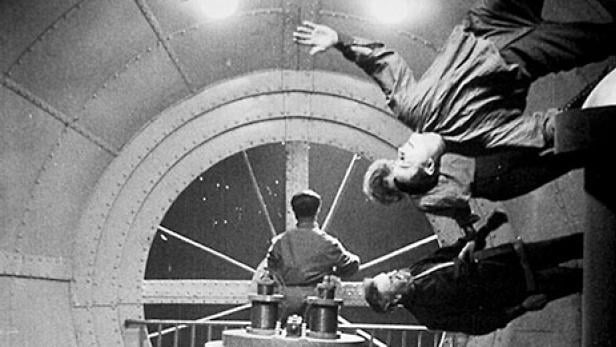
The second film of the evening was Wunder der Schöpfung (1925), directed and co-written by Hanns Walter Kornblum. The title translates as Wonder of Creation, but is known as Our Heavenly Bodies. The bodies in question refer to the planets in our solar system, as this is a documentary of sorts with elements of sci-fi. I sense an evening theme here. The film explains the universe as it was understood at the time. It also throws in space travel to the moon and some planets. Scenes are set there as well as in the spaceship. The film took more than two years to make, and the result is fascinating, with some sequences particularly well-staged.
The score was performed by the aptly named duo Voice of the Cosmos. A musical project whose aim is to “efficiently combine electroacoustic music with the achievements of astronomy.” Their score enhanced the film considerably, and the entire evening was memorable.
Fritz Lang
The following evening was dedicated to Fritz Lang’s masterpiece, Dr Mabuse, Der Spieler (1922). The two parts ran for more than four hours, which swiftly flew by. Due to the film’s length, the musical duties were shared among four groups. The styles ranged from electronic tonalities to more jazzy vibes with saxophone, xylophone, and other instruments. The different styles added to the atmosphere and variety, and all four projects were excellent. If I were to single out one group, it would be Kosmonauci, whose music felt like it came from the era in which the film is set and was expertly performed. However, Krenz, kIRk and Bastarda added value to the film as well.
I was unable to watch the Saturday screening of Kote Mikaberidze’s Chemi bebia (1929), which is a great film in its own right, so I can not comment on the score. The late screening was dedicated to one of the most famous Japanese silent films, A Page of Madness (Kurutta ichipêji 1926). The director, Teinosuke Kinugasa, might be best remembered for his colourful historical films, such as Gate of Hell (Jigokumon, 1954). It won numerous awards, including a Grand Prix at Cannes and an Oscar for Best Costume Design. He is not among my personal favourites among Japanese directors.
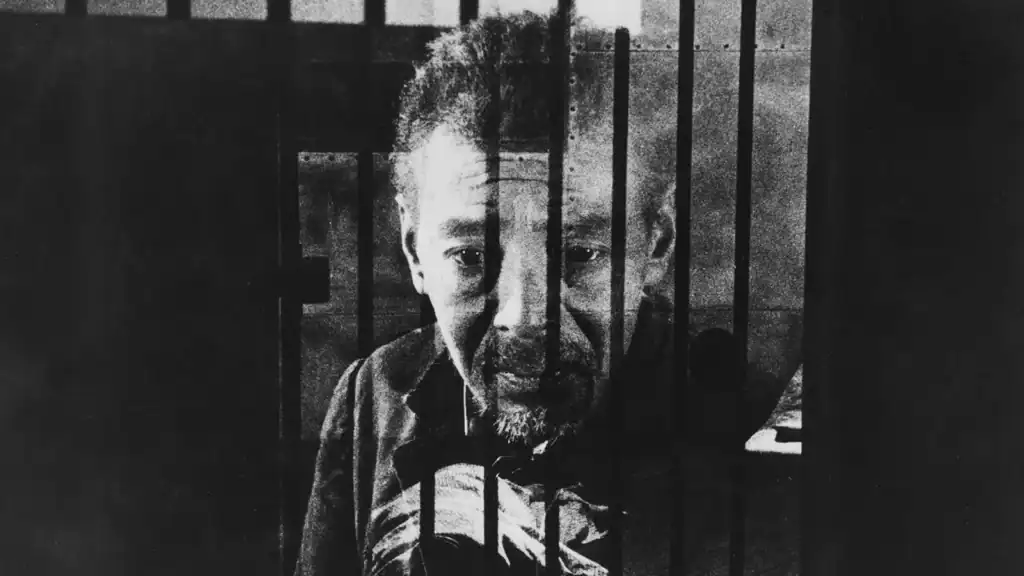
As the title suggests, the film is set in an asylum where an older man works as a janitor to keep an eye on his wife, who is confined there. One day, the hospital is visited by the daughter of the two, who is soon to get married. From there on, the line between reality and a waking dream (or a nightmare) becomes increasingly blurred in the man’s perception. I have never fully understood the film’s reputation as a major classic, but it is nonetheless a strong work. The score by German electro-acoustic composer Hainbach was a major asset of the screening, even though the music itself might have been mainly in a minor key.
The 20th edition of The Sound of Silents boasted several memorable moments and was organised with aplomb. Elżbieta Wysocka-Koerber, Monika Supruniuk, and the rest of the team deserve kudos for this endeavour. I look forward to next year’s edition.